
10.7K
Downloads
631
Episodes
Weekly sermon audio from Refuge Church in St. Charles MO
Episodes

Sunday Mar 08, 2015
Sunday Mar 08, 2015
Welcome to the 5th sermon in our series on the book of Ruth. (5 of 12)
Many of us know the book of Ruth as a love story, but we forget that it took place during the time of the Judges when “everyone did what was right in his own eyes” (Judges 19:25). Ruth lived in a twisted world without much hope, much like our own world. We know what it is to carry the hurt and shame of things we have done and to carry the hurt and pain of things that have been done to us. We have all asked God: How could you let this happen? Where are you in our pain?
The book of Ruth shows God working in the least likely of ways with the least likely of people to disrupt a broken world with true love, hesed love. The Hebrew word hesed is a combination of commitment and sacrifice. It is one-way love. Love without an exit strategy, binding oneself to another person no matter how they respond. This is the love in the story of Ruth, the love that God shows to Israel, the love God show to us. The book of Ruth shows us that though we are in a situation far worse than we could ever imagine, at the very same time we are loved far more than we could ever dare hope.
Sunday Feb 22, 2015
Sunday Feb 22, 2015
Welcome to the 4th sermon in our series on the book of Ruth. (4 of 12)
Many of us know the book of Ruth as a love story, but we forget that it took place during the time of the Judges when “everyone did what was right in his own eyes” (Judges 19:25). Ruth lived in a twisted world without much hope, much like our own world. We know what it is to carry the hurt and shame of things we have done and to carry the hurt and pain of things that have been done to us. We have all asked God: How could you let this happen? Where are you in our pain?
The book of Ruth shows God working in the least likely of ways with the least likely of people to disrupt a broken world with true love, hesed love. The Hebrew word hesed is a combination of commitment and sacrifice. It is one-way love. Love without an exit strategy, binding oneself to another person no matter how they respond. This is the love in the story of Ruth, the love that God shows to Israel, the love God show to us. The book of Ruth shows us that though we are in a situation far worse than we could ever imagine, at the very same time we are loved far more than we could ever dare hope.
Wednesday Feb 18, 2015
Wednesday Feb 18, 2015
Welcome to this stand alone sermon on the significance of Lent and Ash Wednesday.
Sunday Feb 15, 2015
Sunday Feb 15, 2015
Welcome to the 3rd sermon in our series on the book of Ruth. (3 of 12)
Many of us know the book of Ruth as a love story, but we forget that it took place during the time of the Judges when “everyone did what was right in his own eyes” (Judges 19:25). Ruth lived in a twisted world without much hope, much like our own world. We know what it is to carry the hurt and shame of things we have done and to carry the hurt and pain of things that have been done to us. We have all asked God: How could you let this happen? Where are you in our pain?
The book of Ruth shows God working in the least likely of ways with the least likely of people to disrupt a broken world with true love, hesed love. The Hebrew word hesed is a combination of commitment and sacrifice. It is one-way love. Love without an exit strategy, binding oneself to another person no matter how they respond. This is the love in the story of Ruth, the love that God shows to Israel, the love God show to us. The book of Ruth shows us that though we are in a situation far worse than we could ever imagine, at the very same time we are loved far more than we could ever dare hope.
Sunday Feb 08, 2015
Sunday Feb 08, 2015
Welcome to the 2nd sermon in our series on the book of Ruth. (2 of 12)
Many of us know the book of Ruth as a love story, but we forget that it took place during the time of the Judges when “everyone did what was right in his own eyes” (Judges 19:25). Ruth lived in a twisted world without much hope, much like our own world. We know what it is to carry the hurt and shame of things we have done and to carry the hurt and pain of things that have been done to us. We have all asked God: How could you let this happen? Where are you in our pain?
The book of Ruth shows God working in the least likely of ways with the least likely of people to disrupt a broken world with true love, hesed love. The Hebrew word hesed is a combination of commitment and sacrifice. It is one-way love. Love without an exit strategy, binding oneself to another person no matter how they respond. This is the love in the story of Ruth, the love that God shows to Israel, the love God show to us. The book of Ruth shows us that though we are in a situation far worse than we could ever imagine, at the very same time we are loved far more than we could ever dare hope.
Sunday Feb 01, 2015
Sunday Feb 01, 2015
Welcome to the 1st sermon in our series on the book of Ruth. (1 of 12)
Many of us know the book of Ruth as a love story, but we forget that it took place during the time of the Judges when “everyone did what was right in his own eyes” (Judges 19:25). Ruth lived in a twisted world without much hope, much like our own world. We know what it is to carry the hurt and shame of things we have done and to carry the hurt and pain of things that have been done to us. We have all asked God: How could you let this happen? Where are you in our pain?
The book of Ruth shows God working in the least likely of ways with the least likely of people to disrupt a broken world with true love, hesed love. The Hebrew word hesed is a combination of commitment and sacrifice. It is one-way love. Love without an exit strategy, binding oneself to another person no matter how they respond. This is the love in the story of Ruth, the love that God shows to Israel, the love God show to us. The book of Ruth shows us that though we are in a situation far worse than we could ever imagine, at the very same time we are loved far more than we could ever dare hope.
Sunday Jan 25, 2015
Sunday Jan 25, 2015
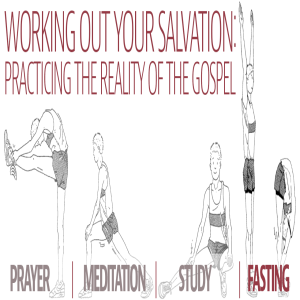
Welcome to the 4th sermon in our series on spiritual disciplines (4 of 4)
Each new year brings with it opportunities to make changes in our lives and to try something new. Normally our new resolutions center around exercise, diet changes, etc. So this year we are going to look at what the Bible has to say about working out!
We are going to look at the daily spiritual practices that help us work out our salvation, to practice the reality of the gospel. Not so that we earn our salvation, but to help us learn how to walk as a forgiven person. The practice of spiritual discipline works much like exercising, building up our basic spiritual muscles so that we can meet the challenges of life as they come along. Prayer reminds us that we are not in control but are deeply dependent on God. Meditation fixes our hearts on Gods approval and not the approval of other men. Study humbles us with the knowledge of who God is and his power, and fasting teaches us to find satisfaction in who God is and what he has done and not on our own pursuit of personal comfort.
Sunday Jan 18, 2015
Sunday Jan 18, 2015
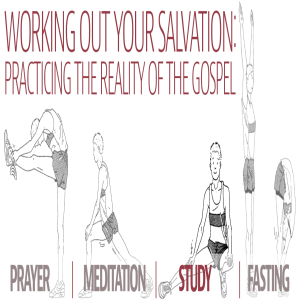
Welcome to the 3rd sermon in our series on spiritual disciplines (3 of 4)
Each new year brings with it opportunities to make changes in our lives and to try something new. Normally our new resolutions center around exercise, diet changes, etc. So this year we are going to look at what the Bible has to say about working out!
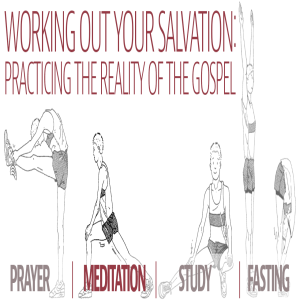
We are going to look at the daily spiritual practices that help us work out our salvation, to practice the reality of the gospel. Not so that we earn our salvation, but to help us learn how to walk as a forgiven person. The practice of spiritual discipline works much like exercising, building up our basic spiritual muscles so that we can meet the challenges of life as they come along. Prayer reminds us that we are not in control but are deeply dependent on God. Meditation fixes our hearts on Gods approval and not the approval of other men. Study humbles us with the knowledge of who God is and his power, and fasting teaches us to find satisfaction in who God is and what he has done and not on our own pursuit of personal comfort.
Sunday Jan 11, 2015
Sunday Jan 11, 2015
Welcome to the 2nd sermon in our series on spiritual disciplines (2 of 4)
Each new year brings with it opportunities to make changes in our lives and to try something new. Normally our new resolutions center around exercise, diet changes, etc. So this year we are going to look at what the Bible has to say about working out!
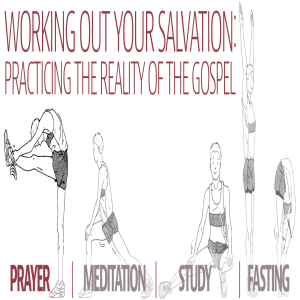
We are going to look at the daily spiritual practices that help us work out our salvation, to practice the reality of the gospel. Not so that we earn our salvation, but to help us learn how to walk as a forgiven person. The practice of spiritual discipline works much like exercising, building up our basic spiritual muscles so that we can meet the challenges of life as they come along. Prayer reminds us that we are not in control but are deeply dependent on God. Meditation fixes our hearts on Gods approval and not the approval of other men. Study humbles us with the knowledge of who God is and his power, and fasting teaches us to find satisfaction in who God is and what he has done and not on our own pursuit of personal comfort.
Sunday Jan 04, 2015
Sunday Jan 04, 2015
Welcome to the 1st sermon in our series on spiritual disciplines (1 of 4)
Each new year brings with it opportunities to make changes in our lives and to try something new. Normally our new resolutions center around exercise, diet changes, etc. So this year we are going to look at what the Bible has to say about working out!
We are going to look at the daily spiritual practices that help us work out our salvation, to practice the reality of the gospel. Not so that we earn our salvation, but to help us learn how to walk as a forgiven person. The practice of spiritual discipline works much like exercising, building up our basic spiritual muscles so that we can meet the challenges of life as they come along. Prayer reminds us that we are not in control but are deeply dependent on God. Meditation fixes our hearts on Gods approval and not the approval of other men. Study humbles us with the knowledge of who God is and his power, and fasting teaches us to find satisfaction in who God is and what he has done and not on our own pursuit of personal comfort.